Truss Master

Home/Services/Roof coverings

Roof coverings and sundries

The whole roof, on one order.

Every type of tiled and sheeted roof covering, plus all the sundries from the wall plate up, supplied with your trusses so the roof arrives as one package from one supplier.

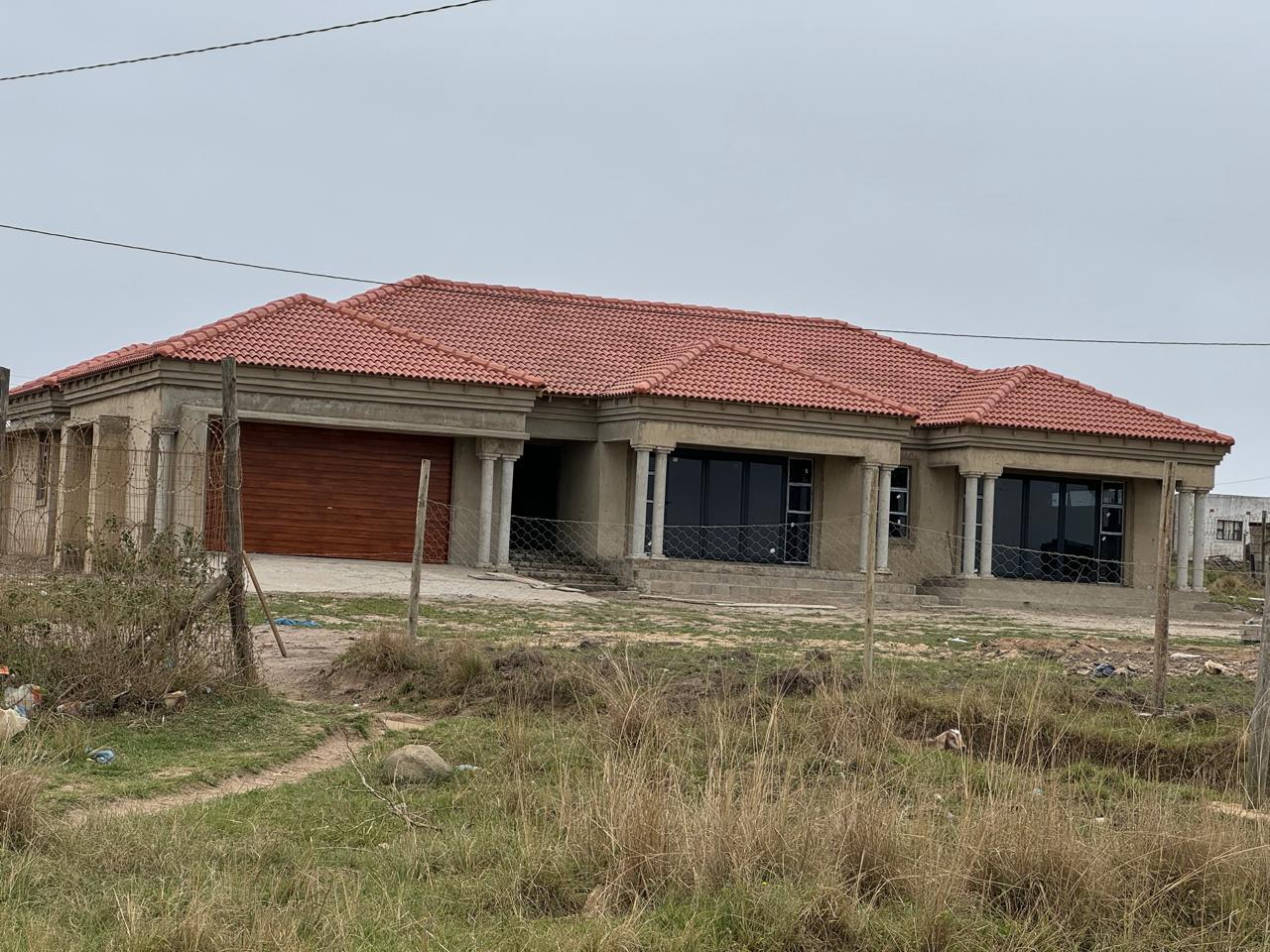
A completed tiled hip roof on a house in KwaZulu-Natal
Completed roof · KwaZulu-Natal
Tiles
Concrete and clay
Sheeting
IBR, corrugated and more
Sundries
Wall plate up
Install
Sheeting and tiling teams
Delivery
On our own trucks

Coverings we supply

Tiled or sheeted, we design the roof around it.

The covering decides the truss spacing, the pitch and the battens or purlins, so we design and supply them together.

Concrete roof tiles

The most common covering on South African homes. Durable, affordable and available in a wide range of profiles and colours.

Clay roof tiles

A heavier, premium tile with excellent longevity. Trusses are designed for the extra weight.

IBR sheeting

A strong, economical trapezoidal profile for homes, carports, warehouses and farm buildings.

Corrugated sheeting

The classic profile, suited to low-cost roofs, outbuildings and heritage-style homes.

Other sheeted profiles

Concealed-fix and specialist profiles for commercial and architectural roofs, on request.

Re-roofing

Replacing a tired covering? We can check whether your existing trusses suit the new covering.

Sundries

Everything from the wall plate up.

A roof is more than trusses and tiles. We supply the parts that hold it together and keep it dry, so nothing is missing on site.

Battens and purlins
Sized and spaced for your covering.
Bracing and tie-downs
Bracing timber, straps, wire and hurricane clips.
Fixings and connectors
Nails, screws, clips and brackets to the design.
Ridges, hips and valleys
Cappings, flashings and valley details.
Fascia and barge boards
To finish the roof edges.
Underlay and membranes
Where the covering or the climate calls for them.

Choosing a covering

Tiles or sheeting?

Tiles are heavier, so SANS 10400-L limits truss spacing to 760 mm under concrete or clay tiles, compared with up to 1,200 mm under metal or fibre-cement sheeting on purlins. Tiled roofs also need a steeper pitch, usually 17.5° to 35°, while sheeting typically sits between 15° and 30°.

That means a sheeted roof often uses fewer trusses, while a tiled roof gives better insulation and a classic look. Our designers can price both so you can compare. See our guide to spacing, pitch and bracing and the roof truss price guide for more.

Questions

Roof coverings: common questions.

Can you supply the roof covering with the trusses?

Yes. We supply every type of tiled and sheeted covering plus all the sundries, so the whole roof comes from one order.

Do you install roof coverings?

Yes. Our accredited sheeting and tiling teams can install the covering after the trusses are erected. See roof installation.

Which roof covering is cheapest?

Sheeting usually costs less than tiles once you include the extra trusses tiles need. The best choice depends on your design, budget and location, so we can price both.

Can I change from sheeting to tiles later?

Only if the trusses were designed for the heavier load. Tell us the covering before the roof is designed, or ask us to check an existing roof.

Which covering is best near the sea?

Both tiles and sheeting work at the coast when the covering and fixings are specified for coastal exposure. We will advise on suitable options for your site.

Free quote · free design

Price the whole roof in one quote.

Scroll to Top